Dreaming of a dock in your backyard but not sure which Punta Gorda waterfront neighborhood fits your boat, budget, and lifestyle? You are not alone. Waterfront here ranges from quiet canal homes to walkable harborfront condos, and each option offers a different kind of boat access and upkeep. In this guide, you will get a clear, side‑by‑side look at the main areas, plus a practical checklist to help you buy with confidence. Let’s dive in.
How Punta Gorda waterfront works
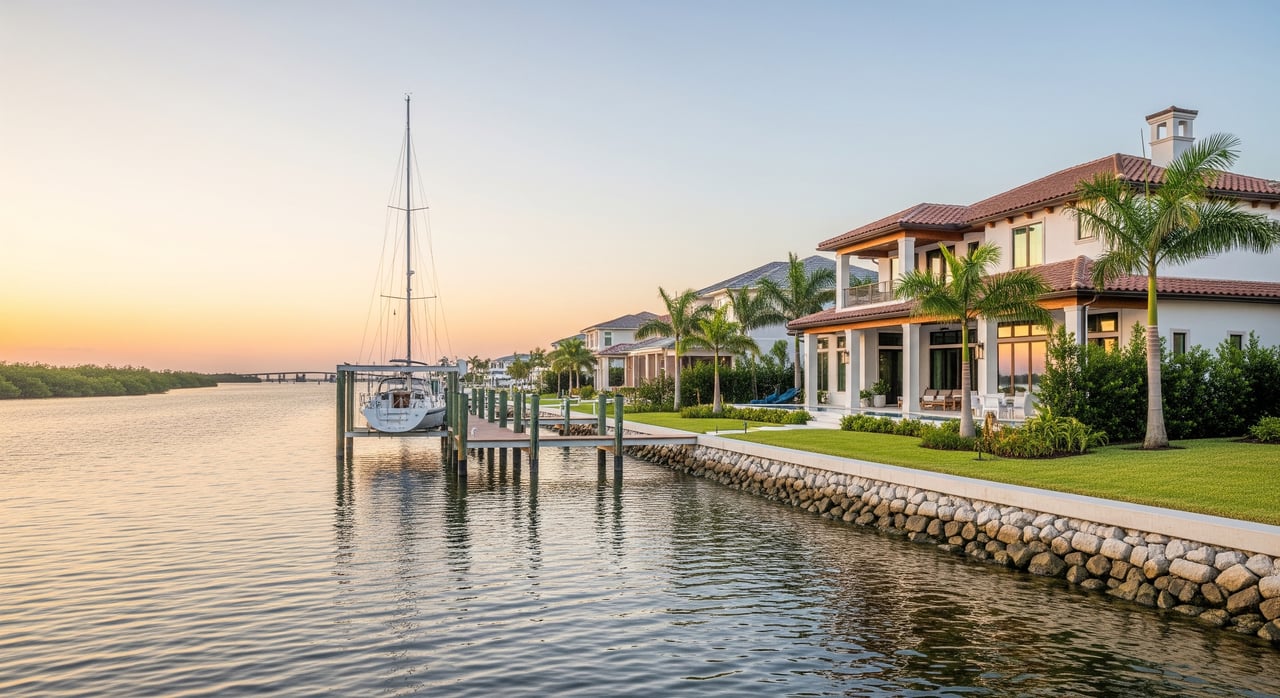
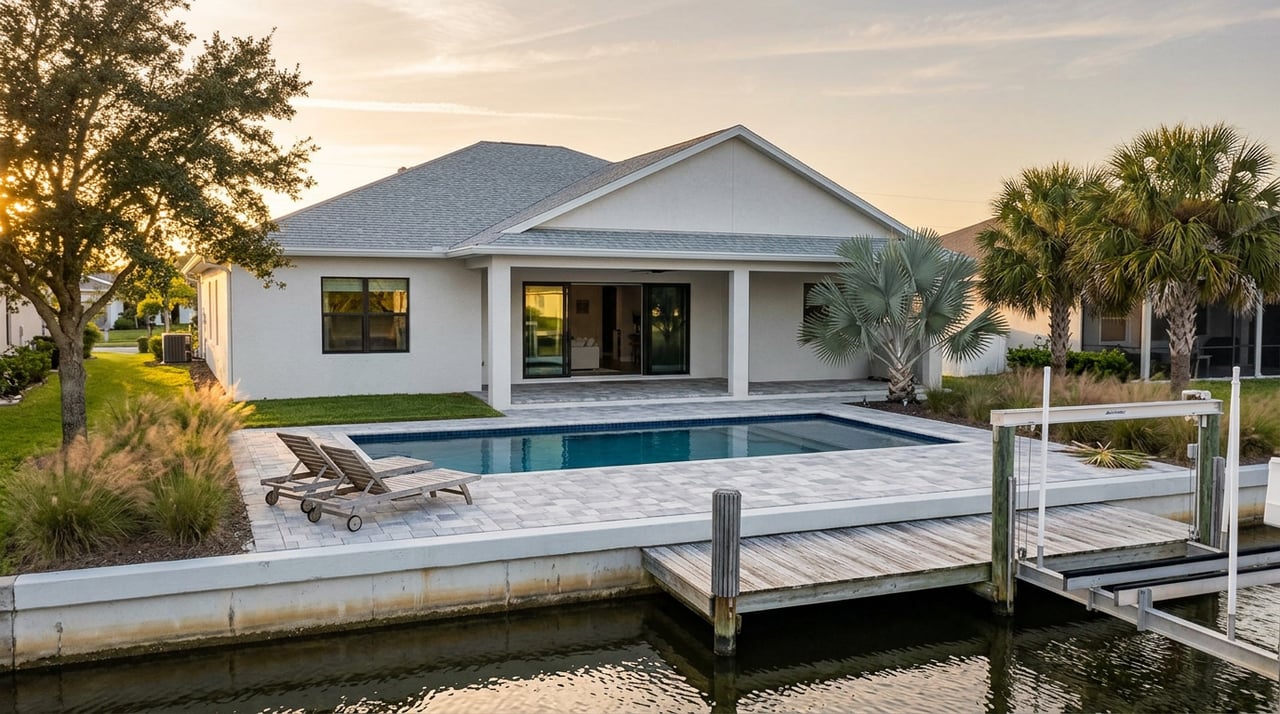
Punta Gorda sits on Charlotte Harbor, a broad estuary that opens to the Gulf of Mexico through Boca Grande Pass. Most waterfront homes fall into two groups. Canal neighborhoods have man‑made canals with private docks and lifts. Harborfront and marina areas offer deeper water, faster open‑water access, and services for larger boats.
Your perfect fit depends on a few key boating factors:
- Water depth at your dock and along your route to the harbor.
- Bridge type and height along your canal route.
- Dredging and channel maintenance that affect navigable depth.
- Proximity to marinas for fuel, haul‑outs, and repairs.
- Exposure to weather. Harborfront is more open than inner canals.
For any property you like, match these facts to your boat’s draft and height. Use NOAA charts and tide tables, talk with marina managers, and confirm details with local permitting offices. Small differences can change whether a home truly works for your boating plans.
Neighborhood comparison at a glance
Punta Gorda Isles (PGI)
PGI is the city’s largest canal community with mostly single‑family homes on man‑made canals. You will see a mix of older cottages, remodeled homes, and some new construction. Streets feel residential and quiet.
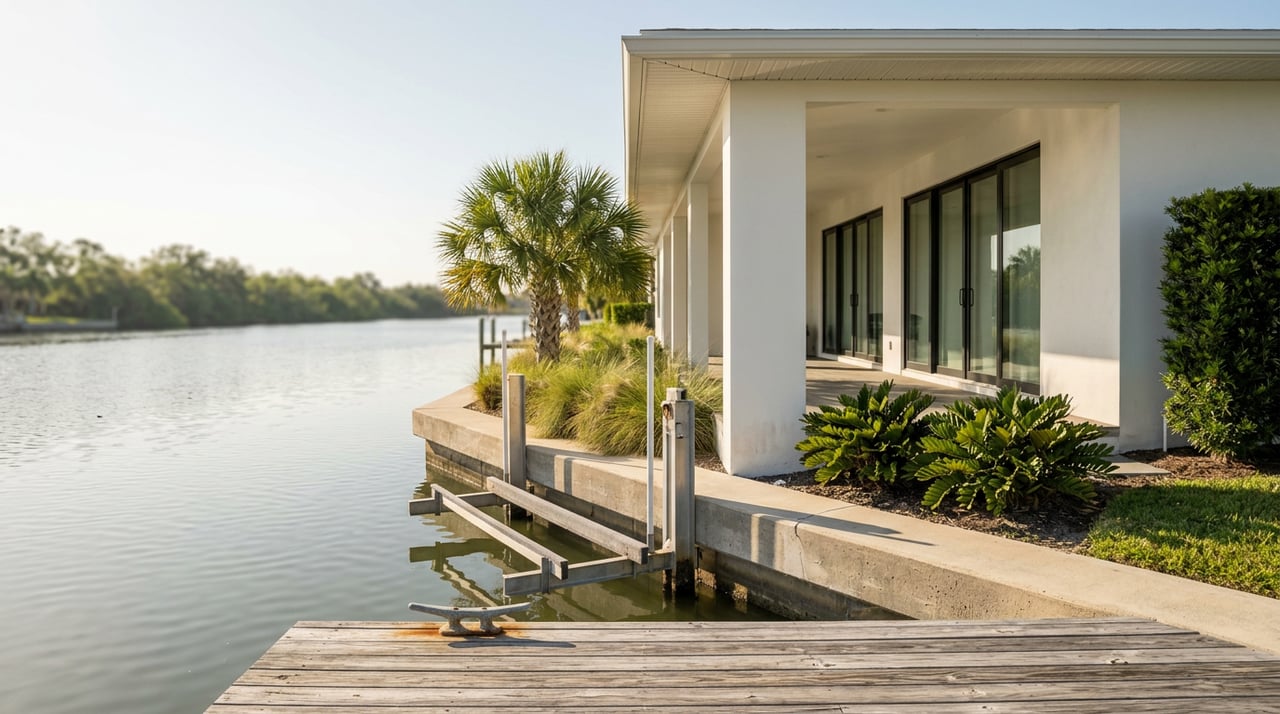
- Boating access: Private docks and lifts are common. Canal depths vary and are generally shallower than open harbor. Some canals have limited turning room for larger vessels. Bridge clearances depend on the route, so confirm for your boat’s air draft.
- Lifestyle: Suburban canal living with easy access to inshore fishing, kayaking, and day cruising. Downtown is a short drive, not a daily walk for most homes.
- Best for: Buyers who want a private dock for a runabout, bay boat, center console, or small cruiser and prefer a quiet neighborhood over a busy marina scene.
Burnt Store Isles and the Burnt Store area
Burnt Store Isles is a planned waterfront community north of downtown. Lots and homes often feel a bit larger on average, and you will find newer construction in the mix. The nearby Burnt Store Marina is a major perk for boaters.
- Boating access: Some areas sit closer to deeper water than inner canals. Many docks can suit larger boats than typical PGI canals. Burnt Store Marina offers wet slips and marine services for bigger vessels, though availability and cost can change.
- Lifestyle: A suburban vibe with strong access to marina amenities. Good fit if you want a neighborhood setting plus quick access to fuel, haul‑outs, and services.
- Best for: Owners of larger boats or buyers who want deep‑water access and the convenience of a full‑service marina nearby.
Downtown and Harborfront condo corridors
Downtown Punta Gorda and the harborfront along Marion Avenue and the Harborwalk feature low‑ to mid‑rise condos, townhomes, and some historic homes. Many residences offer harbor views and walkability to restaurants, shops, parks, and events.
- Boating access: You can boat here, but many owners rely on marina slips or rentals rather than private full‑size docks. Some buildings may have assigned or limited slips, or partnerships with nearby marinas.
- Lifestyle: Walkable and active. If you value dining, festivals, and a “park once and enjoy the day” feel, this area delivers.
- Best for: Buyers who want a low‑maintenance home and use a boat occasionally, or are comfortable paying for a slip when needed.
Other waterfront pockets
Smaller subdivisions and scattered harborfront lots exist outside the main areas. These can offer unique lot sizes, extra privacy, or unusual orientations. Each property is case‑by‑case, so verify dock depth, seawall condition, and permitting records before you fall in love.
Match your boat and lifestyle
Use these profiles to focus your search on the right places from the start.
- Offshore angler with a large center console or express cruiser: You will likely favor Burnt Store Isles and nearby harborfront pockets, plus access to Burnt Store Marina for services and slips. Confirm slip sizes, depth, and availability in advance.
- Retiree or family who loves inshore fishing and quiet canals: PGI offers private docks, lifts, and a relaxed residential setting. Check canal depth and turning room for your draft and length.
- Walkable lifestyle first, boating second: Downtown condos near the Harborwalk fit best. Expect to rely on marina slips or rentals when you plan to get on the water.
- Budget‑minded buyer who wants a view and occasional boating: Consider non‑prime canals or small harbor‑adjacent options. A unit without a private dock can still work if you can rent a slip nearby. Focus on long‑term costs like insurance and seawall care.
Costs, rules, and inspections that matter
Waterfront homes are special, but they require extra due diligence. Here is what to look at closely.
Boating specifics
- Verify dock and channel depths at mean low water. Confirm turning room and route to the harbor.
- Check all bridge clearances on your route and whether bridges are fixed or movable.
- Note whether the property has a wet slip or only a lift. Depth and sea level changes affect wet slips.
- If your boat is too big for the dock, confirm marina slip options and costs early.
Seawalls and docks
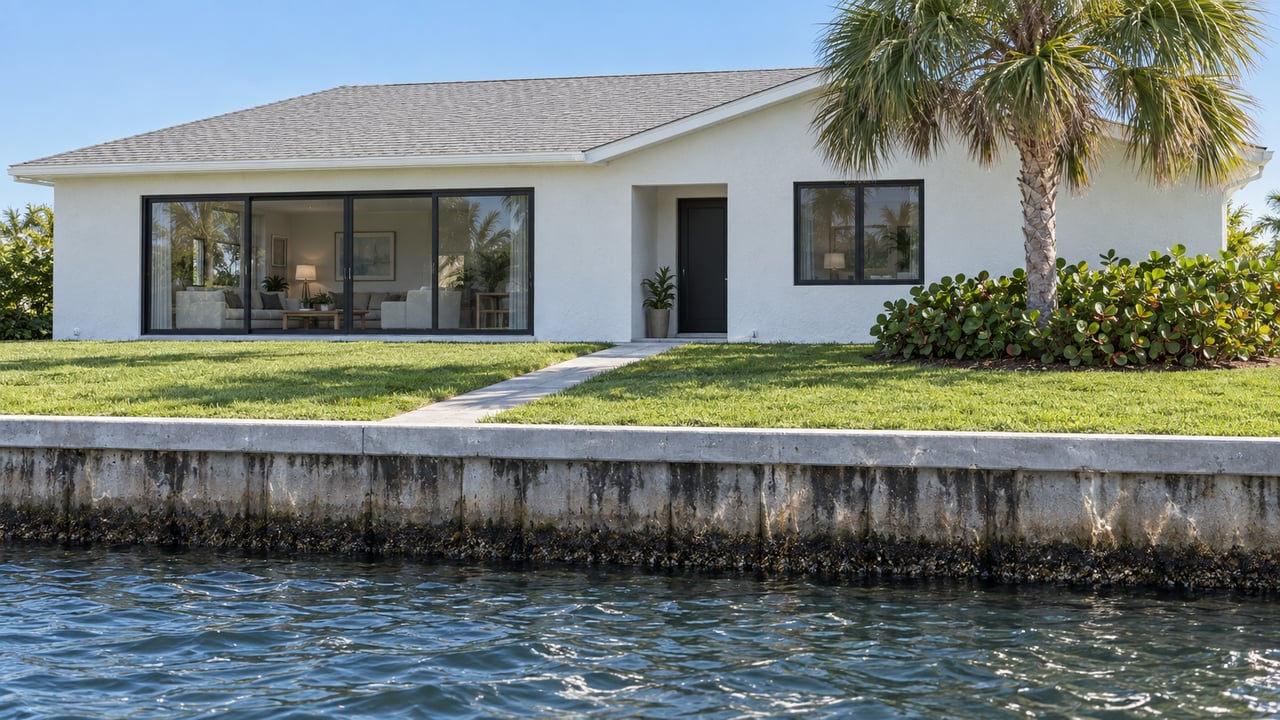
- Hire a licensed marine contractor or structural inspector for the seawall. Ask about type, age, and expected life.
- Request records for prior seawall repairs, permits, and any encroachments.
- Inspect piles, decking, boatlifts, and dock electric. Verify lift capacity matches your boat.
Flood, insurance, and permits
- Confirm the FEMA flood zone for the parcel and whether an elevation certificate is available.
- Get early quotes for flood and windstorm insurance. Older coastal properties can have higher premiums.
- Check permit history for docks, lifts, seawalls, and dredging with Charlotte County, state, and federal agencies as needed.
HOAs, CDDs, and fees
- If the community has an HOA, review what it covers, reserve funds, and any special assessment history.
- For association docks or community marinas, ask about slip waitlists, assignment rules, guest dock policies, and fees.
Environmental and livability
- Ask about canal water flow and any recent algae events or dredging needs.
- Expect more insects near still water. Many owners add screening to outdoor areas.
- In some pockets, seasonal tourism or marina traffic raises noise and activity. Downtown is livelier, while inner canals are quieter.
Step‑by‑step: build your shortlist
Use this simple process to narrow your options with confidence.
- Define your boating profile. Note your boat’s length, draft, and air draft. Decide how often you will use it and where you plan to go.
- Pick your lifestyle priority. Choose suburban canal living, marina‑oriented convenience, or a walkable downtown feel.
- Choose target areas. Based on the above, focus on PGI, Burnt Store Isles, downtown condos, or a specific harborfront pocket.
- Pre‑verify access. Before touring, check likely routes, depths, and bridge clearances for your boat using charts and local contacts.
- Tour with a checklist. While viewing homes, assess seawalls, docks, and orientation for sun, wind, and turning room.
- Price your carrying costs. Get insurance quotes, ask about HOA assessments, and estimate seawall or dock updates.
What to verify before you write an offer
Bring this buyer checklist to any waterfront home you love.
- Documented water depth at the dock and along the intended navigation route at mean low water
- Bridge types and vertical clearances on the route to open water
- Seawall age, type, and an inspection report from a marine professional
- Permit history and any current or pending HOA assessments
- FEMA flood zone and elevation certificate status
- Dock and boatlift condition, capacity, and ownership details
- Marina slip availability and estimated cost if your private dock is not sufficient
- Flood and wind insurance quotes for the specific property
Buyer tips by neighborhood
Punta Gorda Isles tips
- Focus on canal segments known for better depth if your boat has more draft.
- Look for lots with wider turning basins to ease docking.
- Ask about recent dredging cycles that affect your canal.
Burnt Store Isles and Burnt Store area tips
- If you own a larger vessel, confirm that your slip plan works at Burnt Store Marina.
- Compare homes with private deep‑water access to homes where you will rely on the marina. The trade‑off can be worth it for services and speed to open water.
Downtown and Harborwalk condo tips
- Verify slip availability if boating is important. If slips are limited, plan for rentals.
- Review association rules on boat types, lengths, and guest use.
Your next step
The right Punta Gorda waterfront choice starts with matching your boat and lifestyle to the neighborhood. From PGI’s quiet canals, to Burnt Store’s deeper water and marina access, to downtown’s walkable condo living, you have great options. If you follow the due diligence steps above and verify the technical details, you will shop with clarity and avoid costly surprises.
If you want help narrowing the field and confirming boat fit and carrying costs, we are here to guide you. Connect with Team GYFL to compare neighborhoods, line up marine and insurance pros, and tour homes that truly fit your life on the water.
FAQs
What defines Punta Gorda canal vs harborfront access?
- Canal homes have man‑made canals with private docks and usually shallower water, while harborfront and marina areas offer deeper water and faster access to open water.
Which neighborhood suits a larger offshore boat?
- Burnt Store Isles and nearby harborfront pockets often pair better with larger vessels, especially with services and slip options at Burnt Store Marina.
Is downtown Punta Gorda good for regular boaters?
- It can be if you are comfortable relying on marina slips or rentals, since many downtown condos do not have full‑size private docks.
What should I check on a seawall before buying?
- Hire a marine professional to inspect type, age, and condition, and request records for repairs, permits, and any encroachments.
How do bridges affect my boat choice in PGI?
- Fixed bridge clearances can limit air draft, so confirm your route and bridge heights against your boat’s mast or structure before you buy.
Will I need flood insurance on a waterfront home?
- If the parcel is in a FEMA flood zone and you finance the home, a lender will likely require flood insurance, so get quotes early.