Condo fees can make two similar Downtown Punta Gorda condos feel worlds apart in total cost. If you are a lock-and-leave buyer or relocating to enjoy Charlotte Harbor living, you want a clear way to compare fees and avoid surprises. In this guide, you will learn what fees typically include, which documents to request, how to normalize costs, and where red flags hide. Let’s dive in.
What condo fees cover in Punta Gorda
Most associations bundle shared costs into a regular monthly or quarterly fee. Common inclusions:
- Building exterior maintenance (roof, paint, balconies)
- Common-area upkeep (lobbies, halls, landscaping)
- Pool, spa, fitness center, and clubhouse operations
- Elevators, garage, and parking maintenance
- Common-area utilities (water, sewer, irrigation, exterior lighting)
- Trash service for common areas; sometimes unit trash
- Master insurance policy for the building/association
- Reserve fund contributions for major replacements
- Management and administrative fees
- Security or gate/entry maintenance, if provided
- Pest control for common areas; sometimes unit service
- Cable/Internet for common areas or a bulk package, if offered
- Landscaping and dock/seawall maintenance where applicable
What fees usually exclude
Expect some costs outside the association fee. These often include:
- Unit utilities like electricity, and sometimes water if separately metered
- Cable/Internet if not part of a bulk package
- Your individual HO-6 condo insurance policy and contents coverage
- Flood insurance for your unit contents and interior, if needed
- Potential owner share of hurricane deductibles if allowed by the bylaws
- Your property taxes
Collect the right documents for each condo
To make an apples-to-apples comparison, request the same items for every building you consider:
- Most recent annual budget
- Current reserve study or reserve schedule
- Latest financial statements (balance sheet and income statement)
- Resale certificate/disclosure summary
- Meeting minutes from the last 12 to 24 months
- Insurance declarations page for the master policy (coverage and deductibles)
- Management agreement (term and fee)
- Rules on rentals, parking, and any special-use agreements (like boat slips)
How to compare fees step by step
1) Normalize the numbers
Convert all assessments to a monthly number so you are not mixing quarterly with monthly.
- Per square foot: monthly fee divided by unit size helps compare different floor plans.
- Per bedroom: monthly fee divided by bedroom count can help if living capacity matters.
- As a percent of price: monthly fee times 12, divided by the purchase price, shows ongoing cost relative to what you pay for the unit.
Hypothetical illustration:
- Condo A: $600 per month for 1,200 sq ft equals $0.50 per sq ft per month.
- Condo B: $420 per month for 800 sq ft equals $0.525 per sq ft per month.
Even though Condo A’s monthly fee is higher, it is cheaper per square foot.
2) Adjust for what is included vs. excluded
Build a simple line-item list for each building. If a fee excludes water or trash, add your expected cost so you compare true monthly out-of-pocket.
Include categories like master insurance, water, sewer, trash, cable, common utilities, reserves, management fee, amenities upkeep, parking, boat slips, elevator, dock or seawall maintenance, pest control, and security.
3) Evaluate reserves and special assessment risk
Healthy reserves reduce the chance of surprise costs. Compare:
- Current reserve balance and annual reserve funding in the budget
- Presence and date of a recent reserve study
- History of special assessments in the last 3 to 5 years
- Building age and recent major projects (roof, elevators, painting)
If reserves look thin for the building’s age and components, budget for higher future costs.
4) Factor insurance and hurricane deductibles
In Florida, master policies often carry significant wind or hurricane deductibles. Check the bylaws to see if deductibles can be passed to owners and how the share is calculated. A large deductible tied to building value can lead to owner assessments after a major storm.
5) Consider occupancy and rental rules
The percentage of owner-occupants vs. rentals, and whether short-term rentals are allowed, can affect costs and stability. Higher turnover can increase wear-and-tear and insurance considerations. Lenders may also review project financials, rental mix, and litigation when approving mortgages.
6) Convert to annual carrying cost
Add up the real annual number:
- HOA fee times 12
- Plus expected unit utilities not included
- Plus your HO-6 policy
- Plus flood insurance if applicable
- Plus any marina or boat slip fees if not in the HOA
Then compare this annual carrying cost as a percentage of the purchase price across properties.
Hypothetical examples:
- Example 1, basic downtown building: 900 sq ft, $400 per month, includes building insurance, exterior, water, trash, and pool, with $50 going to reserves. Per sq ft is about $0.44 per month.
- Example 2, mid-range with more amenities: 1,100 sq ft, $650 per month, includes elevator, fitness, and limited dock access, with $150 to reserves. Per sq ft is about $0.59 per month.
- Example 3, waterfront full-service: 1,400 sq ft, $1,400 per month, includes 24-hour security, private docks, and full amenities, with $400 to reserves. Per sq ft is about $1.00 per month.
Normalize each, then add expected owner-paid utilities and insurance to reveal the true comparison.
Waterfront and local factors in Downtown Punta Gorda
Downtown Punta Gorda sits on Charlotte Harbor, so waterfront buildings can face higher storm exposure. That can influence master insurance costs, deductibles, and reserve priorities.
- Flood zones: Confirm flood zone status and whether a lender will require flood insurance. Premiums can vary by elevation and building attributes.
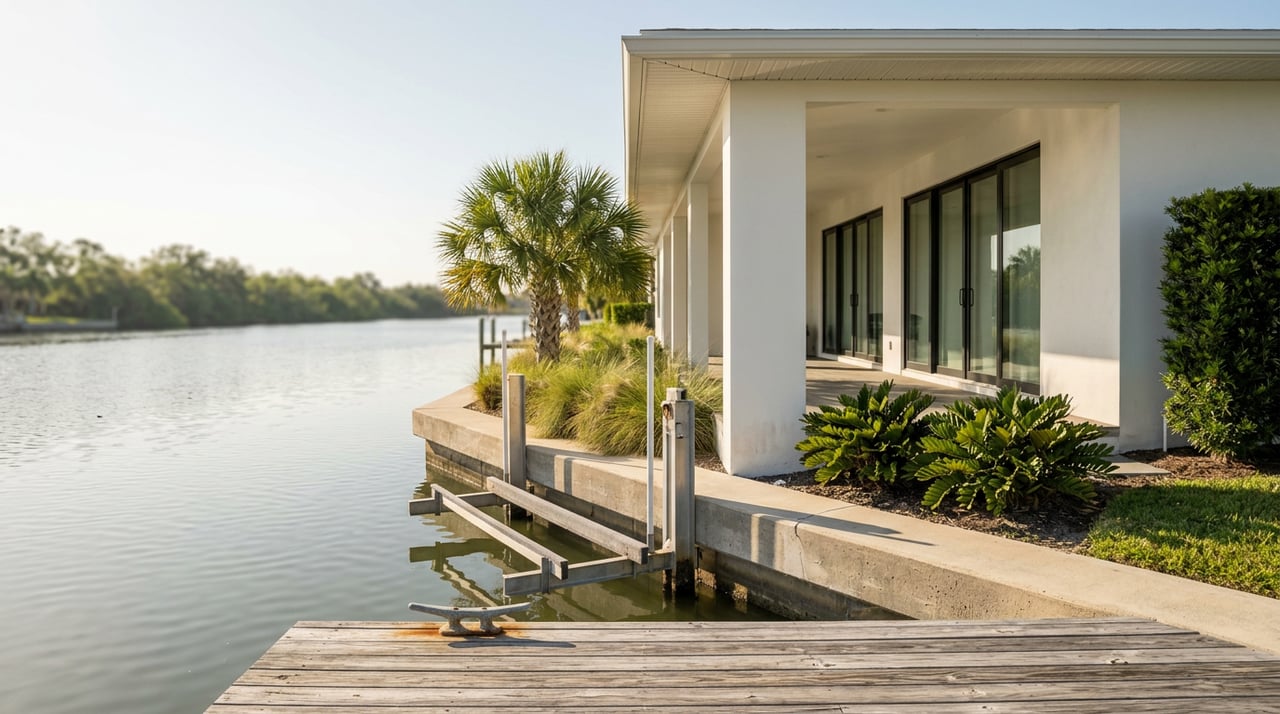
- Seawalls and docks: Many downtown associations maintain seawalls and communal docks. Repairs or replacement are significant and must be funded. Verify who is responsible and whether reserves are adequate.
- Permits and oversight: Major exterior work on seawalls or docks may require county or city permits. Ask whether the association or owners handle permitting and how long approvals typically take.
- Lock-and-leave features: Security, routine pest control, and a clear hurricane plan add peace of mind but can raise operating costs. If you are away seasonally, look for package handling, vendor lists, and protocols for storm prep.
Red flags to watch
Consider these items a prompt for closer review:
- Little or no reserves for the building’s age and systems
- Special assessments in the past 3 to 5 years or any pending now
- Pending litigation involving the association
- High or rising owner delinquencies on dues
- Frequent management turnover
- Insurance lapses, very high deductibles, or storm-related claims history
- Unresolved structural issues, including roofs, balconies, or seawalls
- Rental or vacancy rates that may affect financing options
Smart questions to ask
When you speak with the board or manager, ask:
- How much of the operating budget goes to reserves vs. operations?
- When was the last reserve study, and are you funding to that recommendation?
- Any special assessments in the last 5 years, or planned soon?
- Any pending or threatened lawsuits or major insurance claims?
- What is the wind or hurricane deductible, and how would owner shares be billed?
- What percentage of units are owner-occupied vs. rented?
Putting it all together
A fair condo fee is one that covers the right things, maintains healthy reserves, and matches your lifestyle. In Downtown Punta Gorda, that also means understanding waterfront realities like seawalls, flood exposure, and amenity levels. When you normalize fees, adjust for inclusions, review reserves, and price the real annual cost, you can compare condos with confidence.
If you want local insight on specific buildings, documents, and line-item tradeoffs, reach out to Team GYFL. We help you make a clean comparison and find the right fit for how you want to live on Charlotte Harbor.
FAQs
What do Punta Gorda condo fees typically include?
- Most cover exterior building maintenance, common-area upkeep, amenities, common utilities, master insurance, management, and contributions to reserves; some include pest control or bulk cable.
How do I compare two condos with different fee structures?
- Convert each fee to a monthly number, compute cost per square foot, then add expected costs for any items not included so you compare true out-of-pocket totals.
What is a Florida condo resale certificate and why does it matter?
- It summarizes current assessments, reserves, pending assessments, insurance, and litigation; use it to validate numbers and spot red flags before you commit.
How do hurricane deductibles affect Downtown Punta Gorda condo owners?
- If the master policy has a large wind or hurricane deductible and bylaws allow passing it to owners, you could face a special assessment after a major storm.
Are flood insurance costs part of my Punta Gorda condo fee?
- Associations may insure common elements, but you typically buy your own HO-6 policy and flood coverage for your interior and contents if needed.
Which documents should I review before making an offer on a Punta Gorda condo?
- Request the current budget, reserve study, financials, resale disclosure, insurance declarations, recent meeting minutes, management agreement, and rental rules.
Do short-term rentals impact condo fees in Downtown Punta Gorda?
- Allowing short-term rentals can increase wear-and-tear and insurance considerations, which may influence operating costs and reserve needs over time.