Thinking about North Port or Port Charlotte and trying to pin down real costs and lifestyle trade-offs? You are not alone. Many out-of-state buyers sort through these two neighboring cities because they offer similar sunshine and access to the Gulf, but day-to-day costs and conveniences can feel very different. In this guide, you will learn how housing types, HOA norms, beach and boating access, insurance, and taxes stack up so you can build a realistic budget and shortlist neighborhoods with confidence. Let’s dive in.
Quick take: who each area fits
Both cities can work for a wide range of buyers. Your best fit usually comes down to the type of home you want and how you plan to use it.
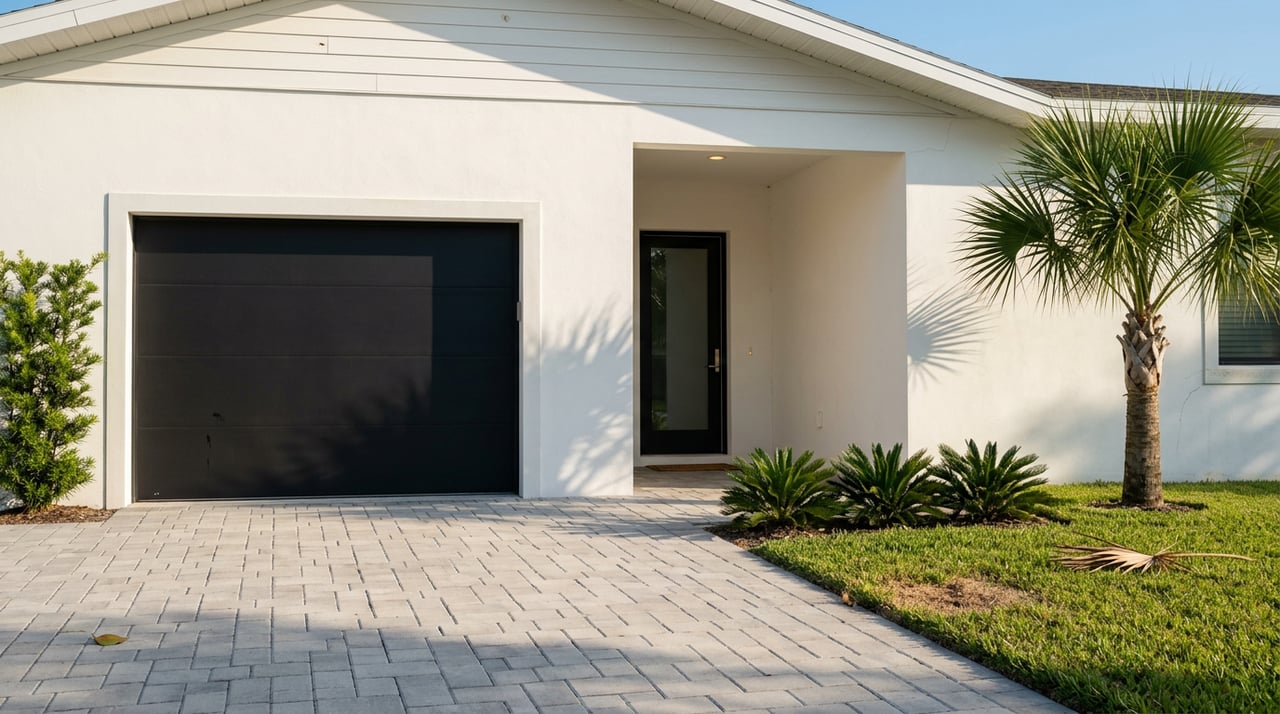
- If you prioritize newer planned communities and the option for larger lots with fewer rules, North Port offers many newer subdivisions along with rural sections that have limited or no HOA presence.
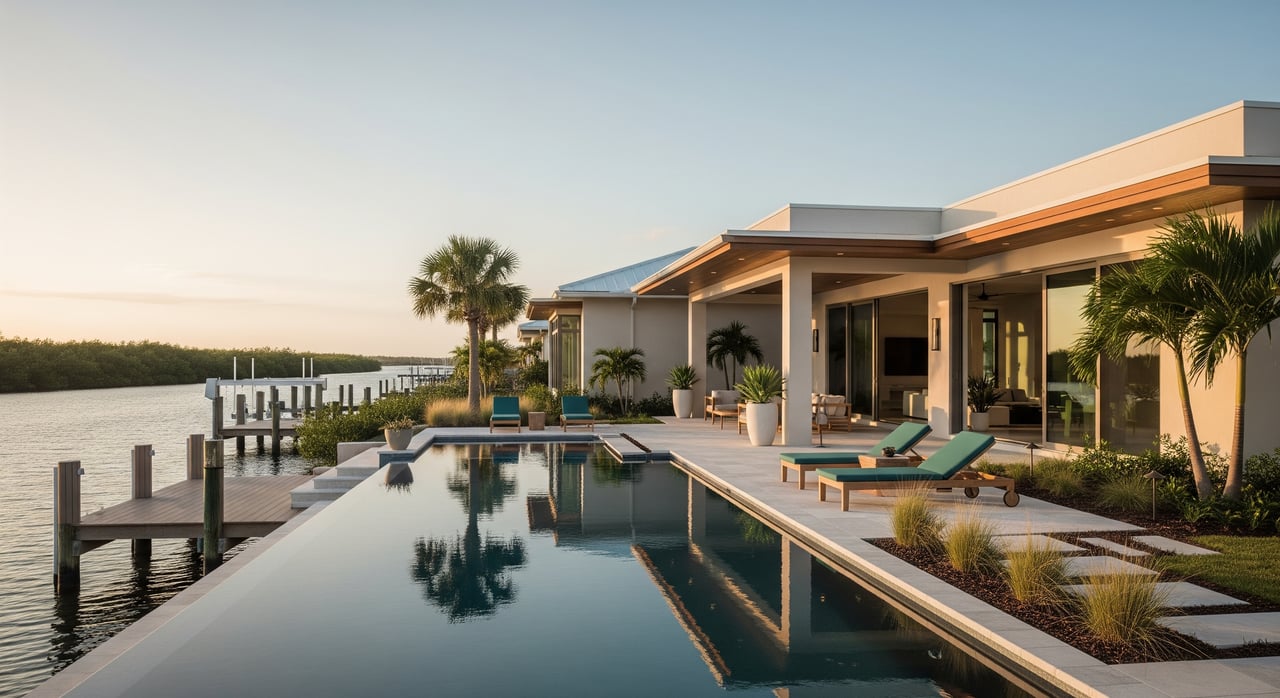
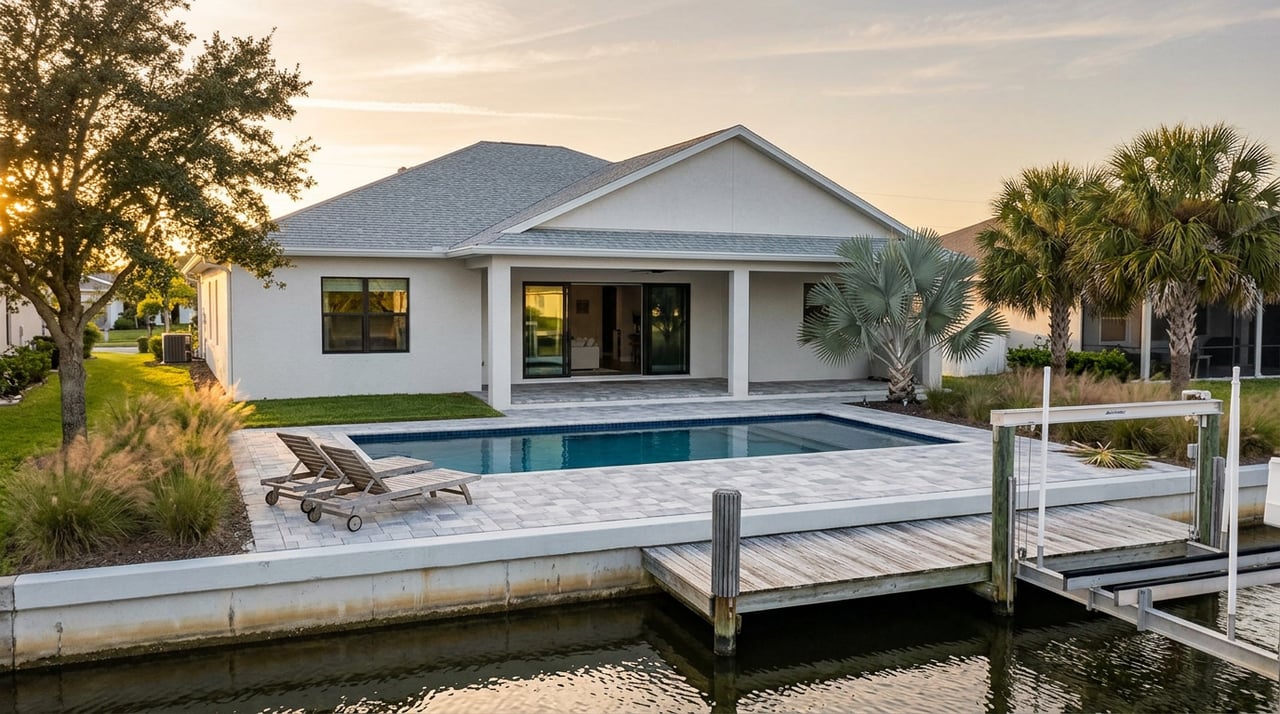
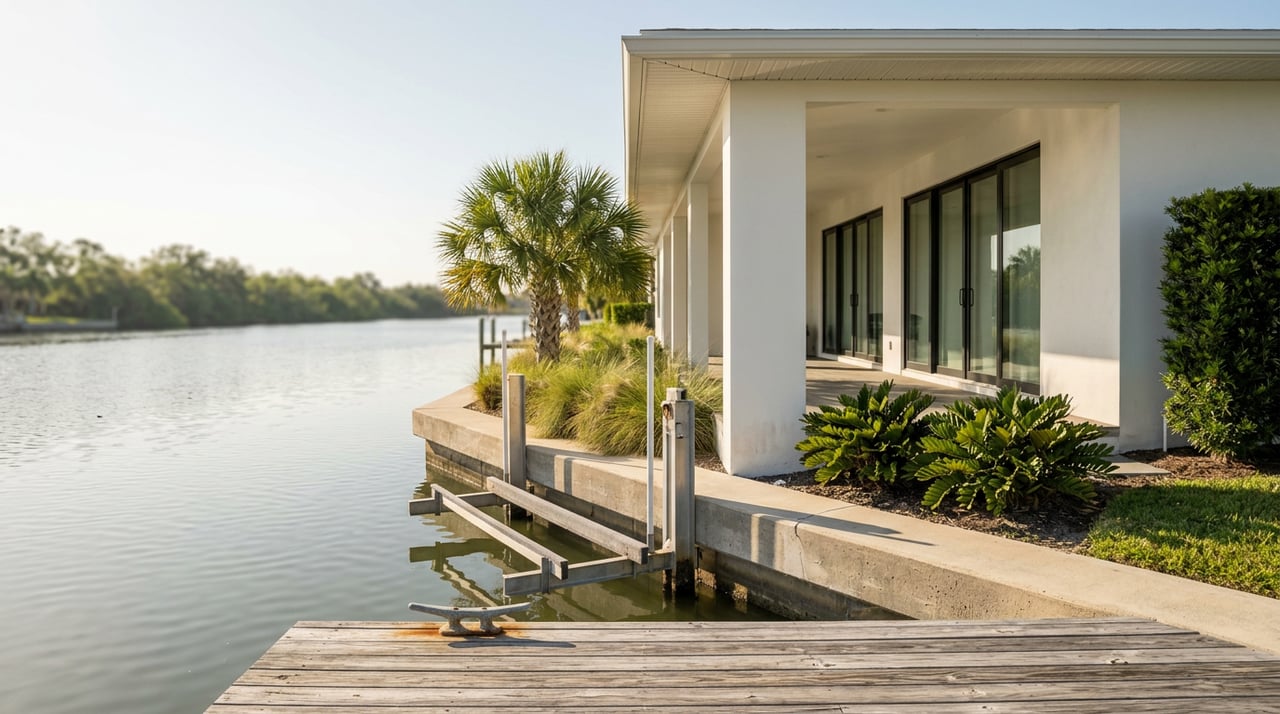
- If direct canal access and proximity to Charlotte Harbor top your list, Port Charlotte has many older canal neighborhoods where water is the centerpiece of the lifestyle.
- For everyday convenience, both markets include infill areas near shops and medical services. Micro-locations matter more than the city name.
- County context matters. North Port is in Sarasota County and Port Charlotte is in Charlotte County, which affects property taxes, services, and permits.
What you get for your budget
Local pricing depends on product type and neighborhood. Instead of chasing a city-wide “median,” focus on the home style and setting that fit your life.
Neighborhood types that drive price
- Older canal-front: Often the best boating access and established neighborhoods. Expect older homes with potential maintenance or seawall needs and varying flood risk. Value is tied to the specific canal system and distance to open water.
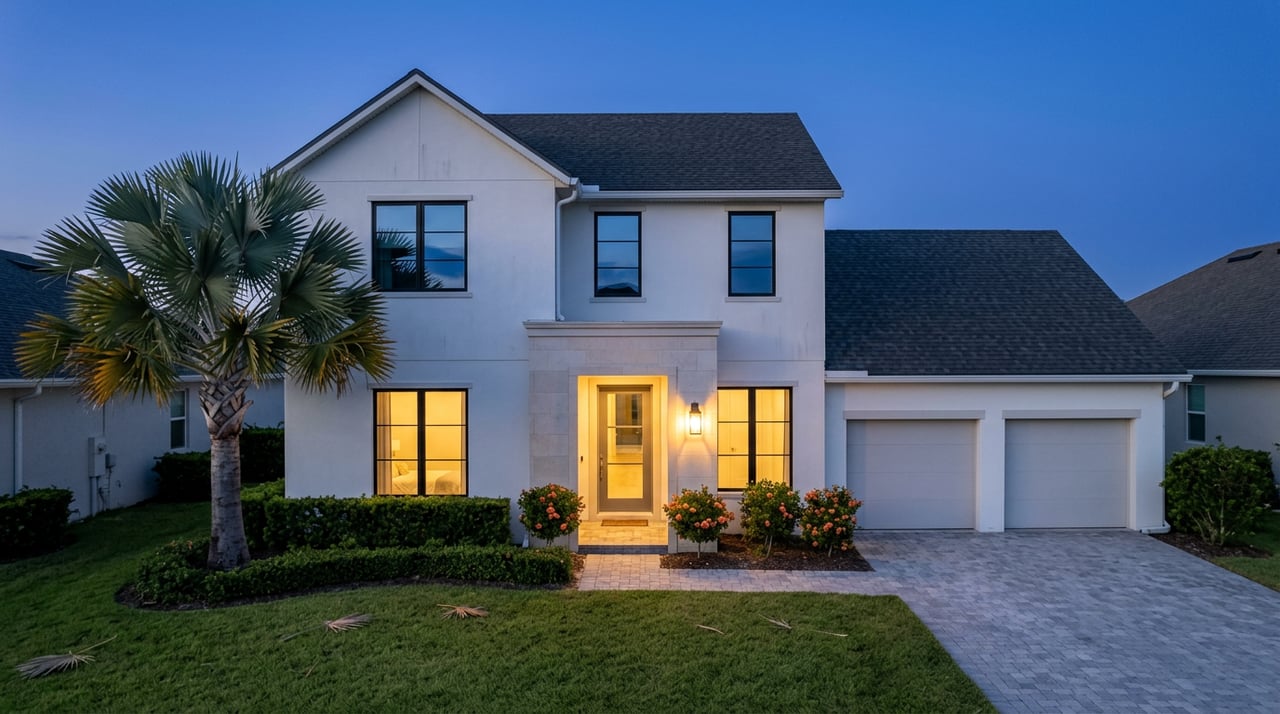
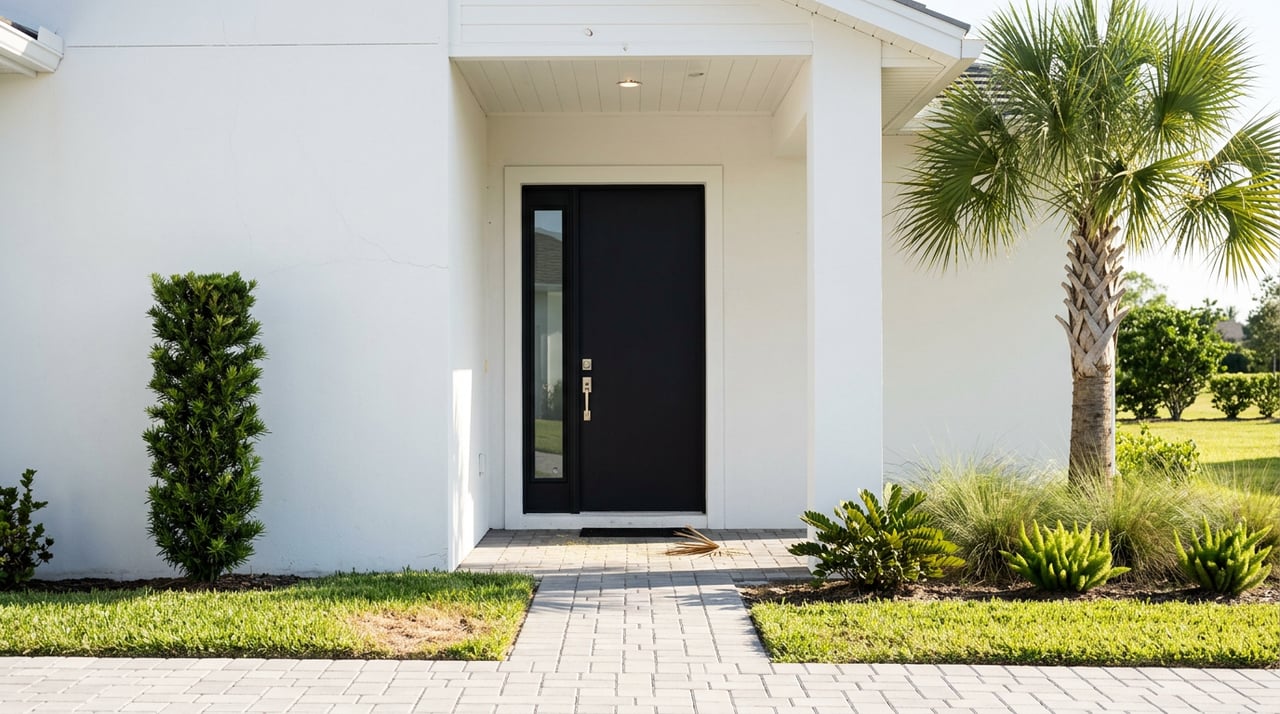
- Newer/HOA communities: Planned subdivisions with newer construction and amenities. You trade a monthly or quarterly fee for lower near-term maintenance and consistent curb appeal. Rules may limit boat and trailer storage.
- Rural or large-lot: More privacy and room for toys. Lower or no HOA costs but farther from beaches and marinas. Septic and private well are more likely.
- Infill/suburban near services: Close to shopping and hospitals with a mix of ages and styles. Convenience can offset a longer beach drive.
Side-by-side housing snapshot
- North Port: Strong supply of newer planned communities plus rural sections with little or no HOA. Canal access exists in select pockets, but boating practicality varies by waterway and bridge conditions.
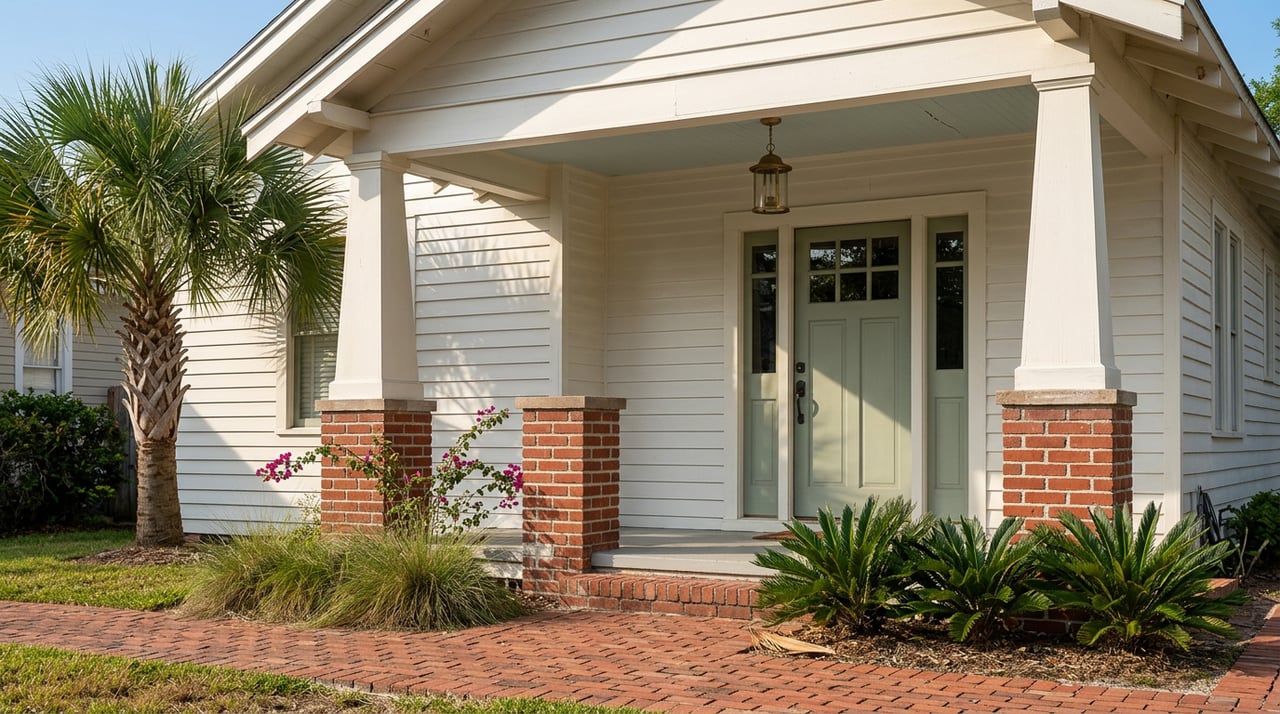
- Port Charlotte: Broad mix of older subdivisions and canal neighborhoods that connect to Charlotte Harbor. Many homes are older, so factor in renovation and upkeep alongside the premium for water access.
Tip: Micro-markets can differ street by street. Compare like for like, such as a 3-bed inland home vs a 3-bed inland home, or a canal-front property vs a canal-front property.
HOA and deed restrictions: what to ask
Typical patterns
- North Port: Many newer planned subdivisions have HOAs that manage amenities and appearance. Rural sections often have limited or no HOA. Deed restrictions may still apply even without a formal association, so verify before you buy.
- Port Charlotte: Many older subdivisions with varied rules. Canal neighborhoods can include deeded water rights or restrictions that shape dock use and exterior changes. Confirm details for each subdivision.
Due diligence checklist
Before you make an offer, request and review:
- Current HOA budget, reserve study, and meeting minutes
- Any history of special assessments and pending litigation
- Rental rules, lease minimums, pet policies, and parking or boat/trailer storage rules
- Exterior change approvals, color palettes, and fencing rules
- Whether restrictions exist without a formal HOA and how they are enforced
Beach access and boating
Beach commute realities
Most residents in both cities frequent the Gulf barrier islands and nearby parks, including Manasota Key and Englewood Beach, Venice-area beaches, and Boca Grande. Actual drive time depends on your exact neighborhood, time of day, and season. Plan for ranges rather than a single number, and test the route you will use most often during both weekday off-peak and weekend midday conditions.
Parking, access points, and beach character also vary by location. If the beach is central to your routine, scout access and parking during peak season and a quieter weekday to see the difference.
Boating and waterfront trade-offs
- Waterway geography: Port Charlotte’s canal systems feed into Charlotte Harbor, which then connects to the Gulf. North Port sits near the Myakka River basin and regional waterways. Practical boating depends on specific canal connectivity, water depth, and bridge clearances.
- Access and constraints: Verify route to open water, bridge heights, and any locks. Boat size and draft can limit your options from residential canals.
- Marinas and ramps: Both counties offer public ramps and marina services, from fuel and haul-out to winter storage. Slip availability and fees vary by facility and season.
For boat owners, cost checkpoints
Build a simple boating budget that includes slip or storage fees, insurance, seasonal maintenance, fuel, and haul-out or bottom work. Ask about canal dredging responsibilities, any assessments for depth maintenance, and seasonal speed limits or manatee zones that affect travel time.
Insurance, flood risk, and carrying costs
Flood and wind basics
- Check whether a property sits in a FEMA Special Flood Hazard Area. This can trigger mandatory flood insurance for many mortgages.
- Even properties outside mapped flood zones can face elevated risk depending on proximity to water and elevation. Ask for an elevation certificate if available.
- Wind and hurricane coverage is a standard part of coastal insurance. Deductibles and policy terms can vary based on building age and code compliance. Newer code-compliant homes may have insurance advantages.
Build a working budget
Use this template to compare North Port and Port Charlotte options. Get real quotes for each line item before you commit.
- Mortgage principal and interest
- Property taxes based on purchase price and county millage
- Homeowners insurance with wind coverage
- Flood insurance if applicable
- HOA or condo fees and any planned assessments
- Utilities: electric, water and sewer or septic maintenance, and garbage
- Landscaping and routine maintenance for roof, A/C, and pest control
- Reserve for storm deductibles and repairs
- Boat costs if applicable: slip or storage, insurance, fuel, maintenance
Note: Property taxes, utilities, and permitting are handled by the county. North Port is in Sarasota County and Port Charlotte is in Charlotte County, so your figures and processes will differ by location.
Make your short list
Work from lifestyle back to the house. Identify your top two or three non-negotiables, then compare apples to apples.
- Choose your top priority
- Direct boating access
- Newer construction and amenities
- Larger lot with privacy and minimal rules
- Shorter drive to everyday services
- Shortlist neighborhoods by type
- Canal-front areas with known route to open water
- Newer HOA communities with amenities
- Rural or large-lot sections with limited or no HOA
- Infill neighborhoods near shopping and hospitals
- Confirm the numbers and rules
- Request current HOA documents and budgets
- Check flood maps and obtain insurance quotes
- Price utilities and property taxes for each county
- Test beach and marina drives at different times
Neighborhood shortlist template
| Neighborhood |
Typology |
HOA status and fee |
Preferred beach and drive time |
Boating access level |
Notes |
|
|
|
|
|
|
When you compare, hold product type constant. An inland 3-bed home will price differently from a canal-front 3-bed even within the same city.
Ready for on-the-ground guidance and current MLS data? Connect with Team GYFL for a custom shortlist, live neighborhood video tours, and clear next steps.
FAQs
Is North Port or Port Charlotte more affordable overall?
- It depends on product type and location. Inland homes and older resales can price differently than canal-front properties, and HOA vs non-HOA settings change monthly costs. Compare like for like and request current MLS snapshots.
How long is the beach drive from each city?
- It varies by neighborhood and traffic. Many residents use Manasota Key, Englewood Beach, Venice-area beaches, and Boca Grande. Test your preferred route during both off-peak and weekend midday times.
Which area offers simpler boating access from home?
- Port Charlotte has canal systems that connect to Charlotte Harbor, while access in North Port depends on specific waterways, bridges, or locks. Verify route to open water, bridge heights, and water depths for each property.
Are HOAs common and what might they cost?
- Both cities include HOAs and non-HOA areas. North Port has many newer planned communities plus rural sections with limited or no HOA, and Port Charlotte has older subdivisions with varied deed restrictions. Review each community’s fee schedule and financials before you buy.
What insurance should I expect near the coast?
- Plan for homeowners insurance with wind coverage and consider flood insurance based on flood zone and elevation. Premiums vary with building age, code features, and location, so obtain quotes early in your search.
Do property taxes differ between the two areas?
- Yes. North Port is in Sarasota County and Port Charlotte is in Charlotte County, and each county administers millage rates and exemptions separately. Use county resources and your estimated purchase price to model taxes for each home you consider.